How to Dye a Sweatshirt: A Step-by-Step Guide

Why dye your sweatshirt?
Dyeing a sweatshirt is a creative and sustainable way to refresh clothes you already own. Whether to give a worn-out sweatshirt a second life or to personalize a new one, the process is simpler than it seems. At Minimalism Brand, we work with high-quality organic cotton, a fabric that absorbs dye evenly and with beautiful results.

What you need before you start
- A cotton sweatshirt (the higher the cotton percentage, the better it will absorb the dye)
- Fabric dye in your desired color
- Common salt (fixes color in natural fibers)
- Rubber gloves
- A large bucket or container
- Hot water
- Painter's tape or elastic bands (optional, for techniques like tie-dye)
Step by step: how to dye a sweatshirt
1. Prepare the garment
Wash the sweatshirt before dyeing to remove any fabric softener or sizing residue that might hinder dye absorption. Do not dry it completely; it's better to work with damp fabric.
2. Prepare the dye bath
Dissolve the dye in hot water following the manufacturer's instructions. Add salt (approximately 200 g per 5 liters of water) to better fix the color. Stir well until everything is dissolved.

3. Submerge the sweatshirt
Place the sweatshirt in the dye bath and stir constantly for the first 10-15 minutes to achieve a uniform color. Afterward, let it soak for 30 to 60 minutes, depending on the desired color intensity.
4. Rinse and set the color
Remove the garment and rinse it with cold water until the water runs clear. Hand wash it with a mild detergent and let it dry in the shade.

Popular techniques for dyeing sweatshirts
Tie-dye
Tie the sweatshirt with elastic bands, forming knots or spirals, before submerging it. The dye will not reach the tied areas, creating unique and colorful patterns.
Ombré/Gradient
Dip only the bottom part of the sweatshirt into the dye and gradually lift it to create a natural gradient effect.
Solid dyeing
The simplest technique: submerge the entire garment to achieve a uniform color. Ideal for refreshing white or light-colored sweatshirts.
Natural dyeing: ecological dyes for your sweatshirt
If you want to go a step further in sustainability, natural dyeing is a beautiful and environmentally friendly option. Using kitchen ingredients or plants, you can achieve unique and organic colors that perfectly align with Minimalism Brand's philosophy.
Natural ingredients and the colors they produce
- Turmeric: intense golden yellow. Boil turmeric in water for 30 minutes, strain, and use the liquid as a dye bath.
- Yellow onion skins: warm orange or golden brown. Very easy to obtain and with surprising results.
- Red cabbage: lavender blue or lilac, depending on the water's pH.
- Black tea or coffee: beige, cream, or soft brown. Ideal for dyeing white sweatshirts with a natural, aged tone.
- Spinach: soft, muted green, perfect for earthy tones.
- Beetroot: pink or burgundy, depending on the concentration.
How to set natural dye
Natural dyes need a mordant to set the color and prevent it from fading in the first washes. The most common options are:
- Alum (aluminum sulfate): the most common mordant, available in herbal stores. Dissolve 15-20 g per liter of water and soak the garment before dyeing.
- White vinegar: useful for protein fibers (wool, silk), although cotton responds better to alum.
- Salt: helps set plant-based colors in cotton, though with less intensity than alum.
Basic natural dyeing process
- Prepare the mordant and soak the damp garment for 1 hour.
- Prepare the dye bath by boiling the natural ingredient in plenty of water for 30-60 minutes.
- Strain the liquid and add the garment (without rinsing the mordant).
- Keep on low heat for 45-60 minutes, stirring frequently.
- Let it cool in the bath, rinse with cold water, and dry in the shade.

Keep in mind that natural dyes are usually less permanent than synthetic ones and may fade over time and washes. Always wash in cold water and avoid prolonged sun exposure to preserve the color.
Tips for a professional result
- Always wear gloves: dye stains skin and is difficult to remove.
- Work in a well-ventilated area and protect surfaces with plastic or newspapers.
- Wash the dyed garment separately the first few times to prevent excess dye from staining other clothes.
- Organic cotton absorbs dye more evenly and is environmentally friendly.

Which sweatshirts are best for dyeing?
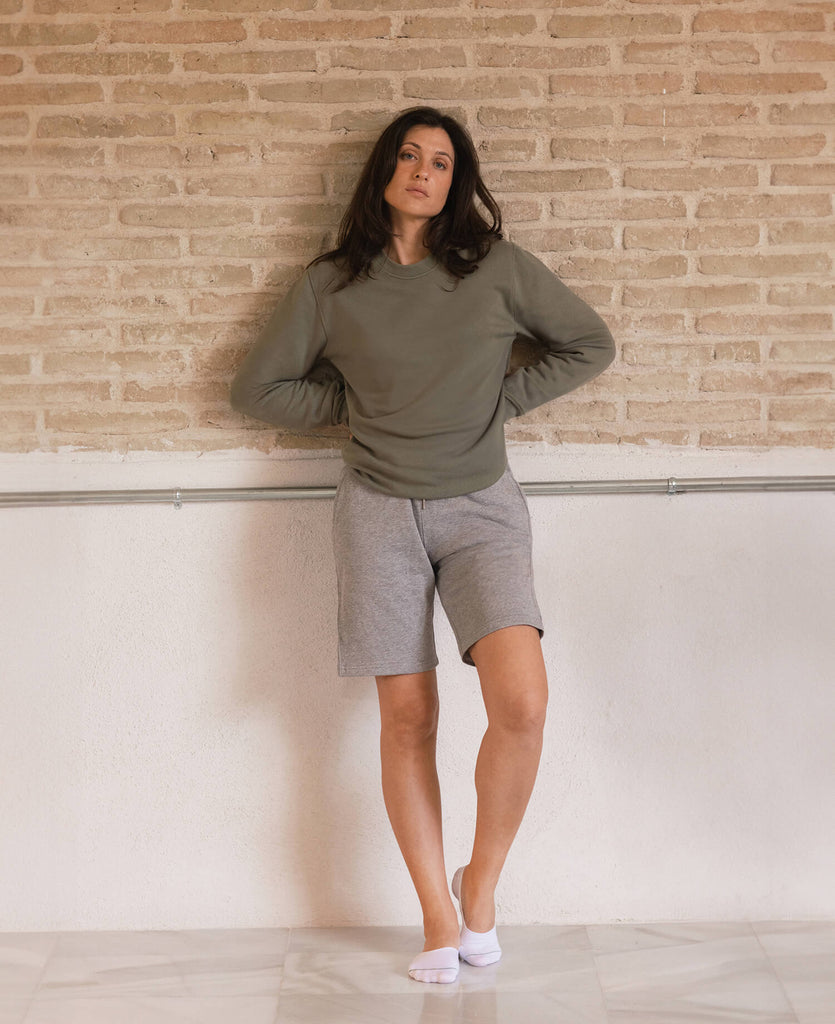
Sweatshirts with a higher percentage of natural cotton yield the best results. Blends with polyester absorb dye unevenly, and the color usually appears duller. At Minimalism Brand, our sweatshirts are made from 100% organic cotton, making them the perfect choice for experimenting with both synthetic and natural dyeing.
If you're looking for a perfect base to personalize, explore our sweatshirt collection and choose the one that inspires you most.
Our best-selling organic cotton packs