Supply chain transparency: the true commitment of sustainable fashion
The fashion industry is undergoing a profound transformation. Consumers are no longer just asking "how much does it cost?" but also "who made it?" and "where does it come from?" This demand for transparency is redefining what it truly means to be a sustainable brand in 2025.
The Challenge of Real Transparency in Fashion
According to recent industry data, brands committed to transparency in the origin of their textiles have tripled since 2016. However, many companies still rely on general statements about sustainability without offering verifiable data on their production chain.
The difference between sustainable marketing and real transparency lies in the details. While some brands publish information on emissions, for example, few reveal complete data for their entire supply chain, and traceability from fiber to the final garment.
What Complete Supply Chain Transparency Means
True transparency goes beyond using organic or recycled materials. It involves answering specific questions:
About materials: Which specific country does the cotton come from? What certifications does it have? What percentage from each origin is used in production?
About manufacturing: In which exact workshop are the garments made? How far is it from the distribution centers? How are they transported?
About impact: What environmental audits are carried out? How are carbon emissions measured? What labor standards are met?
About price: How is the final cost of each garment distributed among materials, manufacturing, logistics, and commercial margin?
The Minimalism Brand Case: Transparency Taken to the Max
At Minimalism Brand, we have made transparency the central pillar of our business model. It's not just an ethical commitment, but a different way of relating to our customers.

Complete traceability for each product
Each of our garments includes detailed information about its origin. For example, for our organic cotton t-shirts we specify:
- Exact origin of the cotton: 50% Turkey, 50% Kazakhstan in our latest production, although we have also worked with Spanish and Tanzanian cotton
- Certifications: OCS100 (Organic Content Standard 100)
- Place of manufacture: Ribeiro & Matos factory in Guimarães, Portugal, 570 km from our logistics center
- Environmental audit: Environmental audit: Green Story, a company that audits leading sustainable brands such as Pangaia. You can consult the complete results of our environmental impact audit where we detail the emissions of each phase.
- Logistics center: Turylogistics in Daganzo de Arriba, Madrid
In this video here you can see the t-shirt creation process from inside our factory, as if you were making it yourself in 20 seconds :)

For our recycled merino wool sweaters, the information is equally exhaustive: yarns produced in Capri (Modena, Italy), Global Recycle Standard certification, manufacturing in a small workshop in Guimarães.
You can also find this information on our:
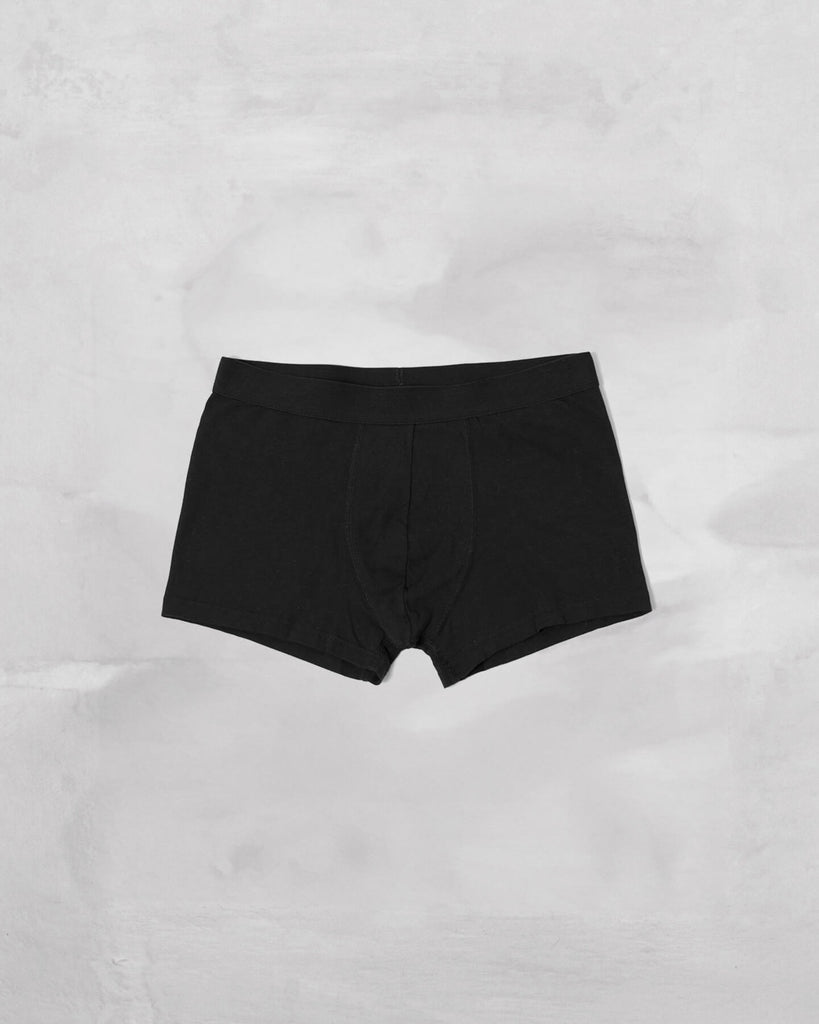
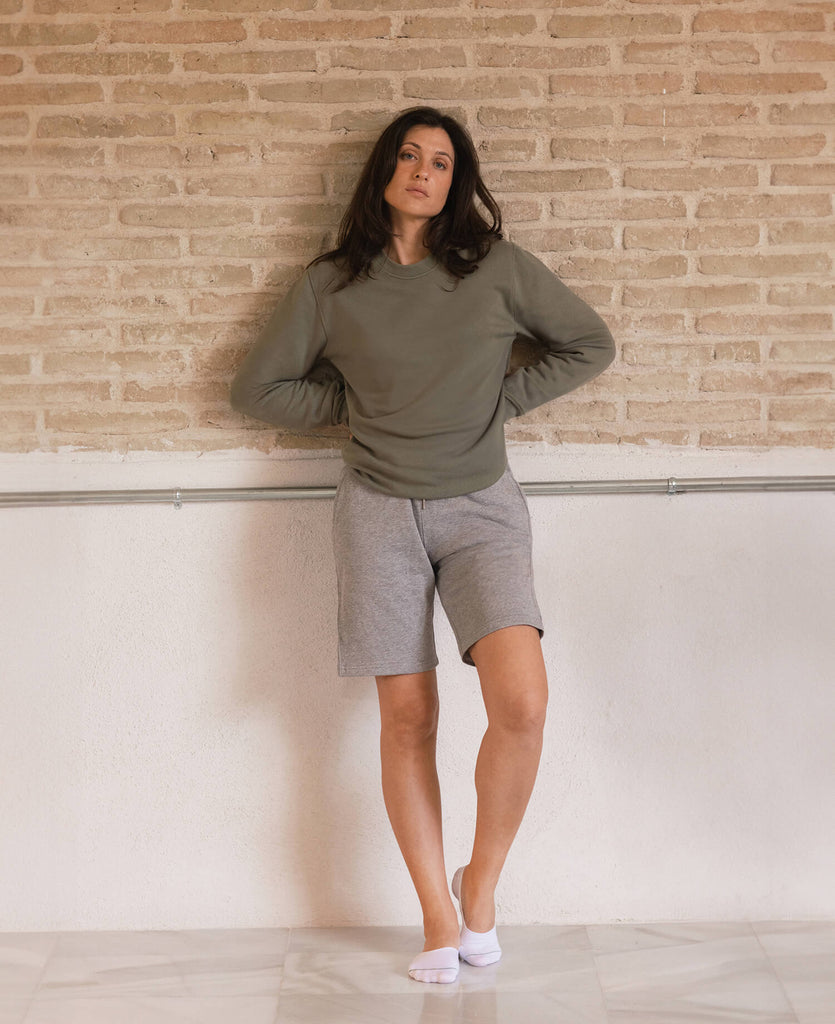
Boxers · Culottes · Thongs · Socks · Sweatshirts
After this introduction, you might wonder how we came to work with these specific factories. In this video, we explain our factory selection process and the criteria they must meet to be part of our supply chain. Total transparency. In the video, we talk about:
- Proximity and quality: How we choose suppliers always seeking the highest quality and durability, prioritizing proximity (Spain or Portugal) whenever possible.
- Sustainability certificates: If the factories don't have them, we don't manufacture. It's a non-negotiable requirement.
- Working conditions: Regulation of fair wages and employment throughout the chain.
- Quality control: Validation of patterns and measurement standards so you can reorder without sizing problems.
Economic transparency: price breakdown
One of our most radical commitments is to show exactly how the price of each product is distributed:
- 44% — Manufacturing (raw material + tailoring + labor)
- 13% — Operations (logistics + transportation)
- 38% — Team salaries + marketing + communication
- 5% — Margin before taxes
This information, which we display on each product page, breaks with the traditional opacity of the sector. Although we previously did it to the cent, we opted for percentages due to constant fluctuations in raw materials, packaging... thus maintaining accuracy without compromising transparency.
But we go further: we also publish our tax footprint and where we declare taxes. We are a Spanish company that pays taxes in Spain.
Factories open to the public
On our sustainable manufacturing page, we show our facilities inside through videos and photographs. We believe that a truly transparent brand has nothing to hide.

This philosophy is not new to us: already in 2020, we were publishing videos of our factories from the inside, when radical transparency was not yet a trend in the sector.
In fact, in this interview on Emprende Aprendiendo, we delve into our transparency philosophy and how we apply it at every step of our production chain.
Transparency throughout the complete life cycle
Our commitment to transparency doesn't end when you sell the garment. It also includes:

Garment repair service: We encourage our customers to repair their garments in local workshops, avoiding unnecessary shipments. We reimburse the cost with gift cards for their next order.
Zero Textile Waste Program: We collect used clothing and give it a second life through recycling, extending the useful life of garments beyond their first user.
Other Leading Spanish Brands in Transparency
The Spanish sustainable fashion landscape features several players committed to transparency:
Ecoalf has established itself as a benchmark, creating fashion from marine waste, with clear communication about its environmental impact.
SKFK (Skunkfunk), the Basque brand, traces its chain back to the origin of textiles, using organic cotton and recycled polyester.
Hemper, based in Barcelona, is committed to hemp and local production, publishing verifiable sustainability reports.
These brands, along with others like Lolitas&L or Minimil, are demonstrating that it is possible to build profitable businesses without sacrificing ethics or transparency. For Minimalism, profitability from the first order, meaning not operating at a loss, is also a basis of sustainability, in this case, business sustainability. In the following video, we elaborate on this:
How to Identify Truly Transparent Brands
As a conscious consumer, you can assess a brand's real commitment with these criteria:
Look for specific data, not generalities. Phrases like "we care about the environment" mean nothing without concrete data. Ask: where exactly is it manufactured? What certifications do they have?
Check their sustainability pages. Transparent brands dedicate entire sections of their website to explaining their processes, with supplier names, locations, and certifications.
Check if they show a price breakdown. Although few brands do this, this level of openness indicates a genuine commitment to economic transparency.
Verify recognized certifications. OCS100, Global Recycle Standard, GOTS or Fair Trade are some standards that guarantee verifiable traceability.
Support local and small-scale production. Brands with shorter supply chains usually have greater control and can offer more transparency.
Platforms like Fashion Revolution offer additional tools to research brands and demand more information about their practices.
The Future of Fashion is Transparent
Sustainable fashion has ceased to be a niche and has become a basic expectation. But sustainability without transparency is just marketing. Consumers in 2025 demand, and deserve, to know exactly what is behind every garment they buy.
The question is no longer whether fashion brands should be transparent, but when they will decide to be truly transparent. Because in a world where information is increasingly accessible, opacity has become the greatest reputational risk.
Does your clothing brand show the exact origin of its materials? Does it break down how the price of each garment is formed? Can you see its factories from the inside? If the answer is no, perhaps it's time to look for alternatives that do.
At Minimalism Brand, transparency is not a marketing strategy; it's how we do things. Discover the complete traceability of our garments and join a more conscious way of dressing.
Our best-selling organic cotton packs