Introduction: Not All Mid-Layers Are Created Equal
When temperatures drop, many people hesitate between choosing a hoodie, a crewneck sweatshirt, a merino wool sweater, or an organic cotton sweater. Although all are transitional or light outerwear, they have significant differences in terms of style, breathability, durability, and recommended use.
In this comparison, we analyze the advantages, disadvantages, and best use of each type of garment to help you build a functional and durable wardrobe.
Quick Comparison Between the Four Types of Garments
| Garment | Warmth | Breathability | Style | Primary Use |
|---|---|---|---|---|
| Crewneck Sweatshirt | Medium | Medium | Minimalist and clean | Everyday, casual office |
| Hoodie | Medium-high | Medium | Casual, urban | Leisure, outdoors |
| Merino Sweater | High | High | Elegant, technical | Cold weather, travel, layering |
| Heavy Organic Cotton Sweater | High | Medium | Premium casual | Urban winter |
Crewneck Sweatshirt: The Minimalist Essential
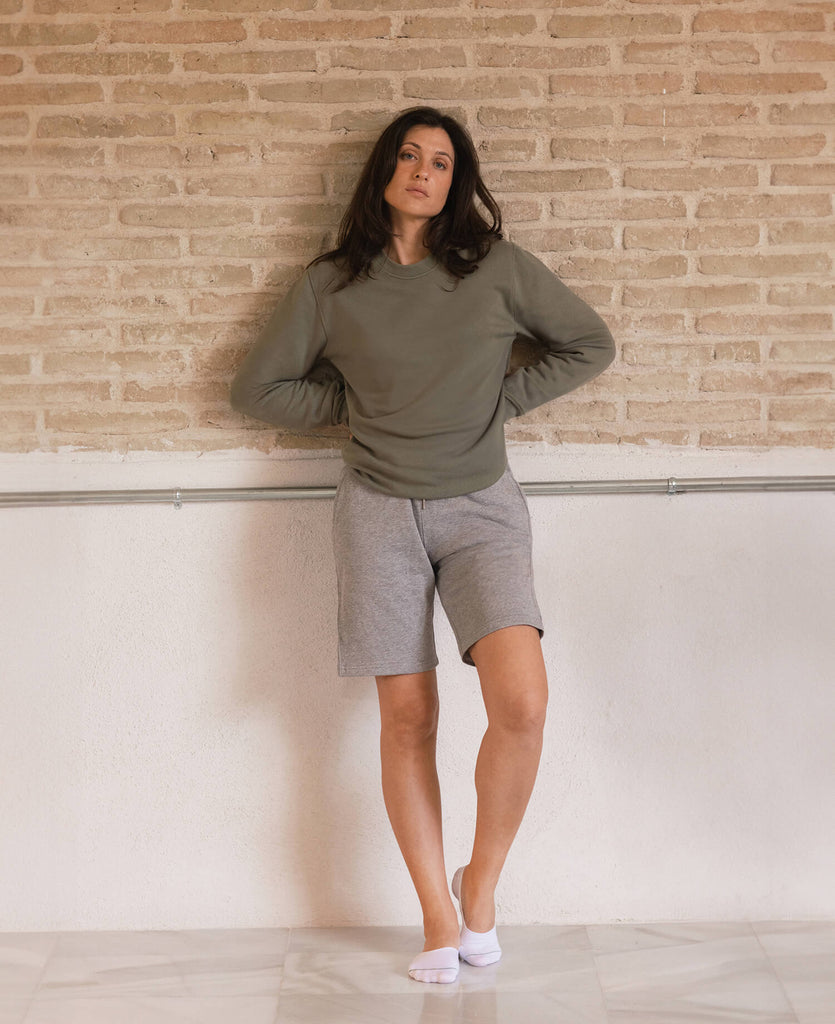
The crewneck sweatshirt is a versatile garment that combines the comfort of cotton with a clean aesthetic adaptable to different contexts. It is one of the easiest options to integrate into a minimalist wardrobe.

Advantages:
- Minimalist aesthetic and easy to combine.
- Suitable for casual or relaxed office environments.
- Less bulky than a hoodie.
Disadvantages:
- Does not protect the head from cold or wind.
- Less functional outdoors in unstable weather.
When to choose it:
- For everyday city wear.
- If you are looking for a clean, hoodless look.
- To combine with shirts or coats.
Organic cotton sweatshirts stand out for their softness, breathability, and durability. Additionally, being made with sustainable materials, they reduce environmental impact without sacrificing daily comfort.
Hoodie: Comfort and Urban Style
The hoodie is one of the most popular garments in the modern wardrobe. It provides comfort, protection from the cold, and a more relaxed style, ideal for leisure or outdoor activities.

Advantages:
- Extra head protection.
- Casual and sporty aesthetic.
- Very comfortable for leisure and travel.
Disadvantages:
- Less formal or elegant.
- More bulk under coats.
When to choose it:
- For informal looks.
- For outdoor activities.
- If you value comfort and functionality.
Organic cotton hoodies offer a more sustainable alternative to synthetic fabrics. They are soft, durable, and easy to combine thanks to their neutral colors and timeless designs.
The best 100% organic cotton, logo-free hoodies here
Merino Wool Sweater: Lightness, Sustainability, and Thermal Regulation
The merino wool sweater is a technical and elegant garment that stands out for its ability to regulate body temperature. Thanks to its composition of natural and recycled fibers, it offers warmth without excessive weight and a comfortable feel all day long.

Key features:
- Composition: 50% merino wool, 30% recycled wool, and 20% recycled polyamide.
- Yarns manufactured in Italy with GRS certification.
- Made in Guimarães, Portugal.
- Slim-fit cut and timeless design.
- Available in heather gray, beige, navy blue, and green.
Advantages:
- High breathability and natural thermal regulation.
- Light, elegant, and easy to combine.
- Lower environmental impact thanks to the use of recycled fibers.
- Does not retain odors easily.
Disadvantages:
- Higher price than cotton.
- Requires more delicate care.
When to choose it:
- For travel or variable climates.
- As a base or mid-layer.
- For elegant and minimalist looks.
Recycled merino crewneck sweaters without logos
Recycled merino turtleneck sweaters with half-zip and no logos
Heavy Organic Cotton Sweater: Structure, Durability, and Local Production
The heavy organic cotton sweater is a robust and sustainable alternative to synthetic fabrics. Its thick knit provides structure, resistance, and a minimalist aesthetic that works for both casual looks and urban settings.

Key features:
- Organic cotton with GOTS certification.
- Made in Spain, in the province of Cuenca.
- Heavy knit (gauge 5) for greater resistance.
- Round neck and relaxed fit.
- Colors: off-white, grey, and black.
Advantages:
- High durability and resistance to daily use.
- Natural, breathable, and comfortable fabric.
- Solid and minimalist aesthetic.
- Local production in Spain.
- Fewer care requirements than merino.
Disadvantages:
- Heavier than merino.
- Less thermal regulation in sudden temperature changes.
When to choose it:
- For urban winter.
- If you are looking for a strong and durable garment.
- For a minimalist casual style.
High-grammage organic cotton sweaters without logos
Which to choose based on your situation?
| Situation | Best option |
|---|---|
| Casual office or clean look | Crewneck sweatshirt |
| Travel and variable weather | Merino sweater |
| Cold urban winter | Heavy organic cotton sweater |
| Leisure, weekends | Hoodie |
| Versatile minimalist style | Crewneck sweatshirt or merino |
Conclusion: Choose Based on Climate, Style, and Use
There is no single perfect garment for everything. The ideal choice depends on the climate, context, and your personal style.
- For everyday versatility: crewneck sweatshirt.
- For casual comfort: hoodie.
- For thermal performance and elegance: merino.
- For resistance and more fashion-forward: heavy organic cotton.
FAQ
Which is warmer: merino or cotton?
Merino is usually warmer for its weight and regulates temperature better.
Is organic cotton more durable?
Yes, especially in heavy fabrics, it is usually very resistant to daily wear.
Is a hoodie less elegant?
It depends on the design, but it is generally perceived as a more informal garment.